.avif)

4.8/5 / 50+ reviews
Peptide Therapy for Cellular Signaling and Recovery
Peptides are short chains of amino acids that act as signaling molecules within the body. They help regulate biological processes such as tissue repair, metabolic balance, inflammation control, and hormone signaling.
CELLULAR SIGNALING
How Peptides Communicate With Cells
Peptides function as biological messengers that help coordinate communication between cells, tissues, and organs. They bind to specific receptors and trigger targeted physiological responses. Through this signaling process, peptides may influence:

Tissue repair mechanisms
Metabolic regulation
Immune response
Hormone signaling pathways
Recovery and regeneration processes
.avif)
PHYSIOLOGICAL TARGETS
Where Peptides May Interact With the Body

Tissue Repair
Certain peptides may support cellular repair processes involved in tissue recovery.

Inflammatory Regulation
Peptide signaling may help regulate inflammatory responses involved in healing and recovery.

Metabolic Signaling
Some peptides interact with pathways involved in metabolism and energy regulation.
Hormonal Communication
Peptides may interact with hormone signaling pathways within the endocrine system.
.avif)
REGENERATIVE MEDICINE
Why Peptides Are Used in Longevity Strategies
Peptide therapies are often used within regenerative medicine because they interact with natural signaling pathways already present within the body.
Rather than replacing hormones or forcing biological responses, peptides typically work by stimulating or regulating existing physiological pathways.
Peptides work by signaling the body to activate natural biological processes rather than overriding them.Because of this mechanism, peptide therapy is frequently integrated into broader strategies focused on recovery, regeneration, and long-term health performance.
Rather than replacing hormones or forcing biological responses, peptides typically work by stimulating or regulating existing physiological pathways.
Peptides work by signaling the body to activate natural biological processes rather than overriding them.Because of this mechanism, peptide therapy is frequently integrated into broader strategies focused on recovery, regeneration, and long-term health performance.
CLINICAL APPROACH
A Physician-Guided Treatment Strategy
01
Consultation
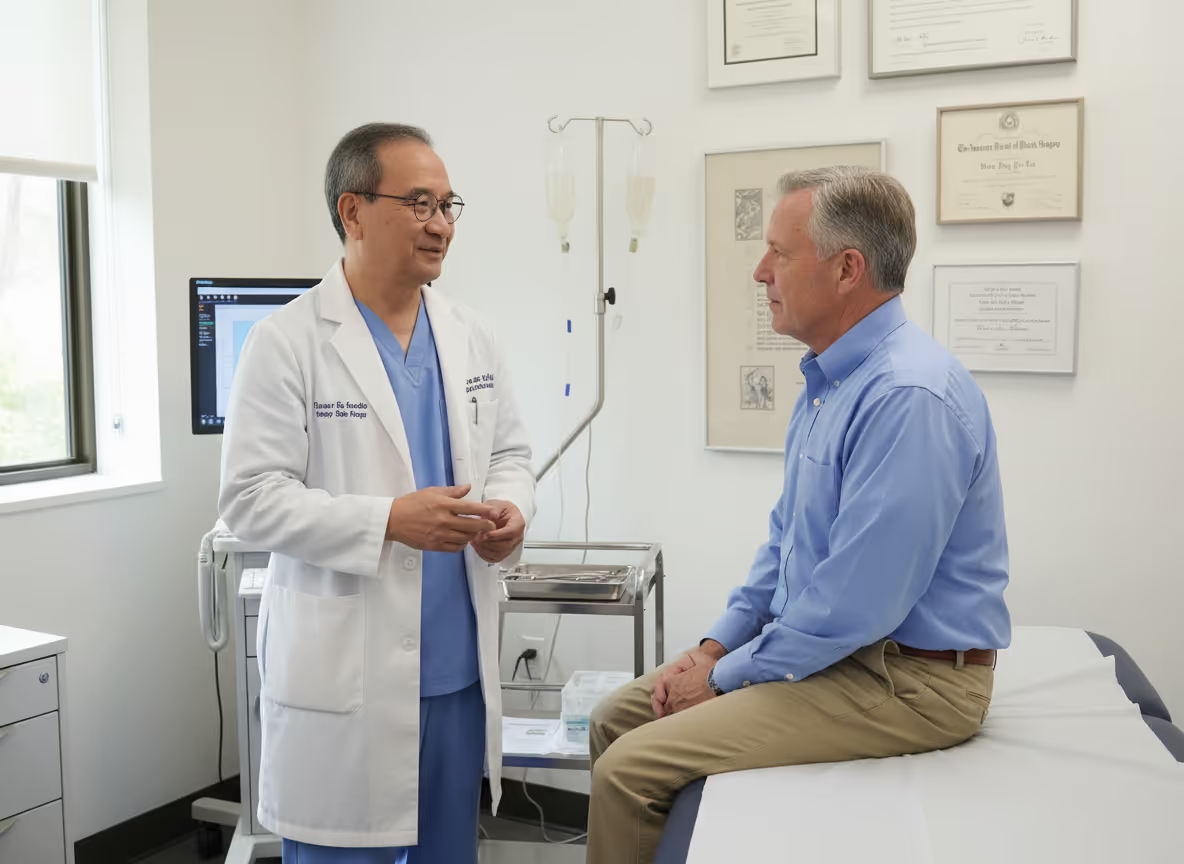
Evaluation of symptoms, health history, and overall goals for longevity or performance optimization.
02
Medical Evaluation
.avif)
Determining whether NAD+ therapy may be appropriate within a broader care strategy.
03
Therapy Sessions
.avif)
NAD+ may be administered through physician-guided treatment protocols.
04
Monitoring and Adjustment
.avif)
Treatment frequency and duration may be adjusted based on response and patient goals.
TYPES OF PEPTIDES WE MAY USE
Peptide Therapies Used in Clinical Care
The specific peptides used depend on medical evaluation and treatment goals. Below are examples of peptides that may be discussed during consultation.
Is this approach right for everyone?

Treatment decisions are based on physician evaluation, medical history, and individual health goals.
Is this a one-time treatment or ongoing care?
When appropriate, therapies are often part of ongoing care strategies focused on long-term outcomes.
How is care personalized?
Care plans are developed based on physiology, diagnostics, and individual goals.
.avif)
HOW PEPTIDES FIT INTO LONGEVITY CARE
Why Medical Oversight Matters
Longevity medicine is proactive, not reactive. Peptide therapy is often considered alongside other physician-guided strategies such as:

Therapy selection based on medical evaluation

Integration with overall health strategy

Long-term monitoring and adjustment

Individualized physiology-based care
PATIENT CONSIDERATIONS
When Peptide Therapy May Be Considered
Patients sometimes explore peptide therapy as part of broader regenerative or longevity strategies when they are interested in:
01
Recovery Support
Improving recovery capacity after physical stress or activity.
02
Performance Optimization
Supporting physiological performance and resilience.
03
Metabolic Health
Supporting biological pathways involved in metabolic balance.
04
Regenerative Medicine
Exploring therapies that interact with the body’s natural repair mechanisms.
INTEGRATED LONGEVITY CARE
How Peptides Fit Into a Broader Strategy
Peptide therapy is often integrated with other physician-guided longevity treatments rather than used as a standalone approach.These may include:
Hormone optimization
NAD+ therapy
Metabolic health strategies
Regenerative medicine treatments
RELATED SERVICES
Other Therapies Often Used in Longevity Care
.avif)
Longevity Therapies
Longevity therapies are integrated into long-term care strategies designed to support how the body performs over time, including energy, recovery, cognition, and healthy aging.
%20(1).avif)
Hormone Optimization
Hormone optimization focuses on supporting energy, recovery, cognitive function, and long-term physiological balance through individualized physician-guided care.

NAD+ Therapy
NAD+ therapy may support cellular energy production, cognitive clarity, and metabolic function as part of physician-guided longevity and performance care.
Peptides
Peptide therapy may support recovery, tissue repair, hormone signaling, and metabolic function when used as part of a physician-guided longevity strategy. Care is based on medical evaluation, goals, and long-term optimization planning.
Begin With a Physician-Led Evaluation
Peptide therapy should never be approached casually. The first step is a physician-guided conversation to determine what your body actually needs.