.avif)

4.8/5 / 50+ reviews
Supporting How Your Body Performs Over Time
Longevity medicine focuses on optimizing how the body functions as it ages. Rather than reacting only after symptoms appear, longevity therapies aim to support cellular health, metabolic performance, recovery capacity, and long-term physiological resilience.
PROACTIVE HEALTH STRATEGY
Optimizing Function Before Decline Occurs
Traditional medicine often treats disease after symptoms appear. Longevity medicine takes a different approach. The focus is on identifying early physiological changes and supporting the systems that influence how the body ages, performs, and recovers over time.
Key biological systems involved in longevity include:
Key biological systems involved in longevity include:

Cellular energy production
Hormone signaling
Metabolic regulation
Tissue repair and recovery
Inflammatory balance
Supporting these systems may help maintain physical performance, cognitive clarity, and long-term health resilience.
.avif)
WHOLE-BODY PERFORMANCE
Biological Systems That Influence Aging

Cellular Energy
Energy production within cells influences how the body performs physically and mentally. Supporting mitochondrial function may improve overall vitality.

Metabolic Function
Metabolic balance plays a major role in how the body manages energy, inflammation, and aging processes.

Recovery Capacity
Tissue repair and recovery mechanisms influence how quickly the body can recover from stress, exercise, and daily demands.

Cognitive Performance
Brain health and cognitive clarity are closely linked to circulation, cellular energy, and metabolic regulation.
.avif)
LONG-TERM CARE STRATEGY
How Longevity Medicine Works
Longevity medicine is not based on a single therapy or procedure. Instead, care typically involves a combination of strategies tailored to each patient’s physiology and long-term goals. Treatment strategies may include:
Metabolic optimization
Hormone balance support
Cellular energy therapies
Regenerative medicine approaches
Lifestyle and recovery strategies
PATIENT MOTIVATIONS
Why Patients Consider Longevity Therapies
Patients often explore longevity medicine when they notice gradual changes such as:
01
Declining Energy
Reduced daily energy or stamina compared to earlier years.
02
Slower Recovery
Longer recovery time after physical activity, illness, or stress.
03
Cognitive Changes
Reduced focus, mental clarity, or sustained concentration.
04
Performance Changes With Age
Gradual changes in physical performance or resilience.
PERSONALIZED MEDICAL CARE
How Longevity Treatment Plans Are Developed
01
Consultation
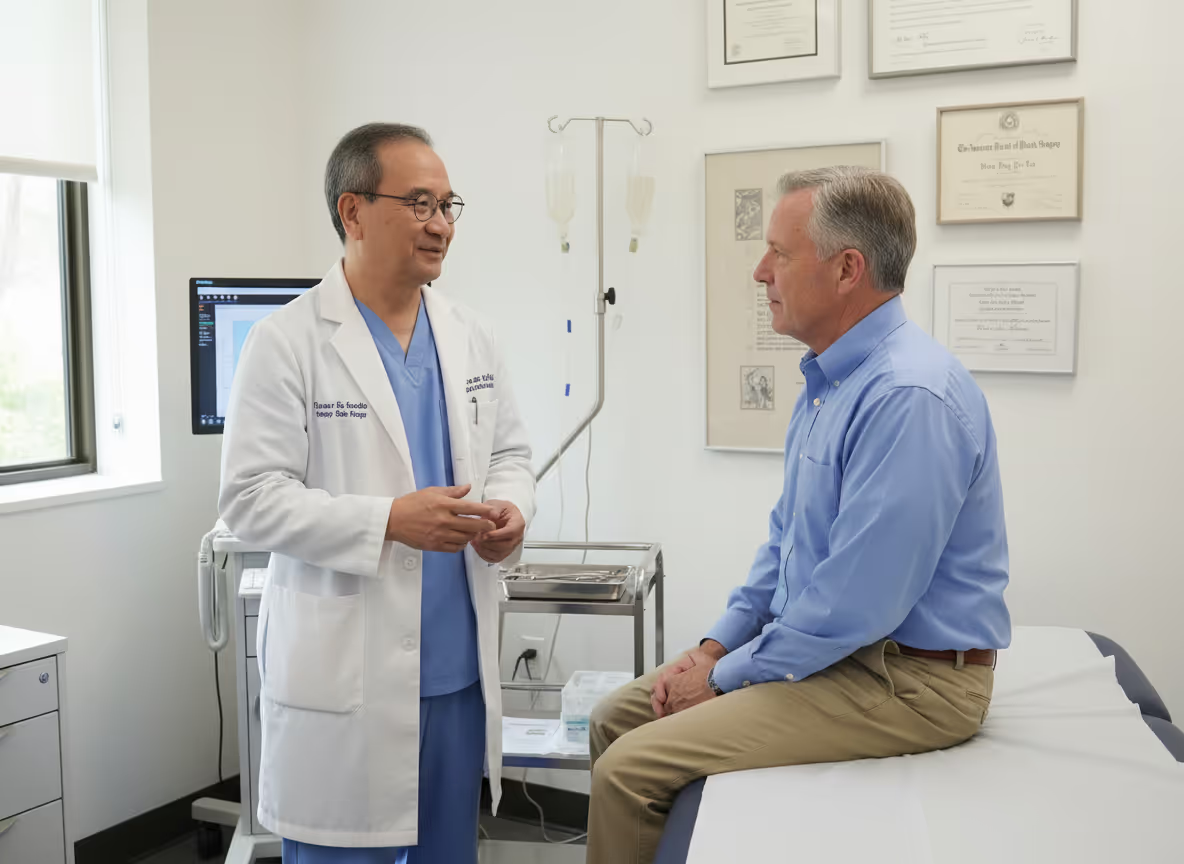
Discussion of symptoms, lifestyle factors, and long-term health goals.
02
Medical Evaluation
.avif)
Laboratory testing and medical evaluation when appropriate.
03
Longevity Strategy
.avif)
Development of a personalized care plan based on physiology and priorities.
04
Longevity Strategy
.avif)
Care plans are monitored and adjusted over time as health and goals evolve.
.avif)
WHOLE-BODY PHYSIOLOGY
Why Aging Is a System-Wide Process
Aging does not occur in a single organ system. It reflects changes occurring across the body’s metabolic, hormonal, neurological, and cellular systems.
When these systems remain balanced and supported, the body is often better able to maintain:
When these systems remain balanced and supported, the body is often better able to maintain:
Physical performance
Cognitive clarity
Mcognitive clarity
Recovery capacity
Overall vitality
RELATED SERVICES
Other Therapies Often Used in Longevity Care
Longevity Therapies
Longevity therapies are integrated into long-term care strategies designed to support how the body performs over time, including energy, recovery, cognition, and healthy aging.
%20(1).avif)
Hormone Optimization
Hormone optimization focuses on supporting energy, recovery, cognitive function, and long-term physiological balance through individualized physician-guided care.

NAD+ Therapy
NAD+ therapy may support cellular energy production, cognitive clarity, and metabolic function as part of physician-guided longevity and performance care.
.avif)
Peptides
Peptide therapy may support recovery, tissue repair, hormone signaling, and metabolic function when used as part of a physician-guided longevity strategy. Care is based on medical evaluation, goals, and long-term optimization planning.
Begin With a Physician-Led Evaluation
Peptide therapy should never be approached casually. The first step is a physician-guided conversation to determine what your body actually needs.